


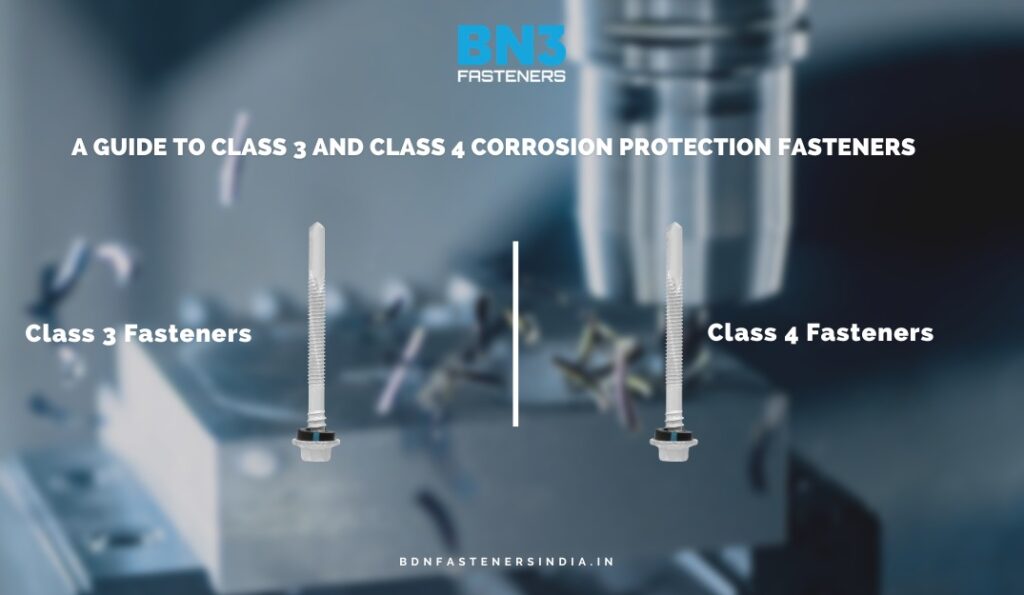

In any construction project, durability and long-term performance depend on the quality of materials used at every stage. From the main structure to the smallest connecting components, each element is exposed to environmental factors such as moisture, temperature fluctuations, and air conditions, which can gradually affect its strength over time. In many regions, especially those with high humidity or coastal influence, the risk of corrosion is even greater. To effectively address such conditions, Class 3 and Class 4 corrosion protection fasteners provide enhanced durability and reliable performance in challenging environments.
What Are Class 3 and Class 4 Coatings?
Coatings on fasteners create a protective layer that stops moisture and chemicals from reaching the base metal. Class 3 coatings offer balanced protection suitable for many standard outdoor conditions. Class 4 coatings provide a thicker, stronger defense designed for harsh exposure conditions. Manufacturers apply these coatings through special processes that bond well with the fastener surface. The differences in coating thickness and composition lead to varying performance levels in real applications. Understanding these coatings helps in choosing the correct option for each building requirement.
- Coating Composition: Special materials in the coatings create barriers that block water and salt from causing damage.
- Thickness Difference: Class 3 uses moderate layers while Class 4 applies heavier protection for greater challenges.
- Application Method: Factories use controlled techniques to ensure even coverage on every fastener surface.
- Durability Features: The coatings stay intact through handling and installation without losing their protective qualities.
- Environmental Match: Each coating type matches specific weather patterns to deliver expected service life.
- Quality Control: Strict checks during production maintain consistent performance across all supplied batches.
Performance of Corrosion Resistance in Coastal Conditions
Coastal areas bring constant salt spray and high humidity that test the strength of any fastener coating. Class 3 and Class 4 corrosion protection fasteners show different abilities to handle these harsh conditions over time. Testing in salt chambers helps measure how long each coating resists rust development. Real-world results from coastal projects confirm the value of proper coating selection for long-term success. Builders notice clear differences in how well the fasteners maintain their appearance and strength near the sea. Regular checks in such areas show the importance of matching the coating class to the location.
- Salt Spray Resistance: Class 4 coatings last longer when exposed to continuous salt air from ocean winds.
- Humidity Control: Both classes handle moist air, but Class 4 performs better in very wet coastal zones.
- Long-term Testing: Extended exposure trials prove the superior staying power of higher protection levels.
- Surface Condition: Coatings keep metal surfaces clean and rust-free for several years.
- Structural Safety: Maintained coating quality supports the overall strength of connections in buildings.
- Maintenance Needs: Proper class selection reduces the frequency of inspections and repairs near the coast.
Do Coatings Affect Mechanical Performance and Lifespan?
Coatings add protection without changing the basic strength of the fastener material underneath. Class 3 and Class 4 corrosion protection fasteners retain their original holding power while extending service life by years. The coating process follows careful steps to avoid damaging threads or load-bearing areas. Proper coatings actually extend the useful lifespan by preventing hidden rust from weakening the metal. Builders can trust that the mechanical properties stay consistent throughout the installed life of the fasteners. This balance between protection and performance makes them suitable for demanding construction work.
- Thread Integrity: Coatings cover surfaces evenly without filling threads or affecting tight connections.
- Load Capacity: Full original strength remains available for structural support in all applications.
- Service Extension: Protected fasteners stay functional much longer than uncoated options in outdoor settings.
- Material Compatibility: Coatings work well with common building materials without causing harmful reactions.
- Installation Ease: Fasteners drive smoothly into place while keeping their protective layer intact.
- Overall Lifespan: Correct coating choice directly increases the years of reliable service from each fastener.
Selecting Applications of Class 3 or Class 4 Screws
Project requirements guide the selection between Class 3 and Class 4 corrosion-protection fasteners for optimal results. Different applications need varying levels of protection based on their exposure to weather elements. Roofing systems near the coast often require greater protection to avoid early failures. Structural connections in milder inland areas work well with standard protection levels. Careful matching of screw class to actual site conditions leads to safer, more durable outcomes. A professional assessment of each project helps make the right selection every time.
- Roofing Systems: Class 4 screws provide extra security for roofs exposed to direct coastal weather conditions.
- Steel Framing: Class 3 screws deliver reliable performance in protected structural steel connections.
- Cladding Panels: Higher-class fasteners ensure cladding remains secure in high-wind and salt areas.
- Outdoor Fixtures: Suitable class selection keeps signs and equipment mounts strong over many seasons.
- Industrial Buildings: Class 4 screws handle chemical exposure common in factory environments near coasts.
- General Construction: Class 3 screws provide practical solutions for standard projects in non-severe exposure conditions.
How Can Buyers Ensure Reliable Supply and Quality?
Buyers should check for proper certification marks on Class 3 and Class 4 corrosion protection fasteners before purchase. Reputable suppliers maintain detailed records of coating tests and performance data for each batch. Clear labeling helps confirm the exact class and intended use of the fasteners. Consistent quality across deliveries supports smooth progress on construction sites without unexpected issues. Good suppliers also provide guidance on correct handling and storage to preserve the coating’s effectiveness. These steps help ensure that every fastener meets the project’s expected standards.
- Certification Checks: Look for standard compliance marks that verify the protection class of fasteners.
- Supplier Reputation: Established sources maintain strict quality processes for every production run.
- Batch Testing: Regular laboratory checks confirm coating thickness and performance before shipping.
- Storage Guidelines: Proper handling instructions protect the coating during transport and site storage.
- Documentation Review: Complete records help confirm that the fasteners meet the project specification.
- Delivery Consistency: Reliable supply chains keep project timelines on track with quality materials.
Class 3 vs Class 4 Fasteners: Key Differences
Class 3 and Class 4 fasteners differ mainly in the level of corrosion protection they provide. They suit different conditions depending on the harshness of the surroundings. Understanding these differences helps in making the correct selection for each project type. Proper comparison leads to better outcomes and avoids unnecessary expenses later on.
- Corrosion Resistance: Class 3 Roofing Screws offers good protection, while Class 4 provides much stronger defense in tough spots.
- Environment Fit: Class 3 suits milder areas, but Class 4 handles coastal and industrial exposures without trouble.
- Overall Durability: They both last well, yet Class 4 maintains strength longer under severe conditions.
- Performance Value: The higher class brings better results where needed, despite any initial differences.
- Selection Advice: Choose Class 3 for standard needs and Class 4 when exposure levels are high.
- Long-term outcome: The right pick ensures safety and significantly reduces future maintenance work.
Conclusion
Selecting Class 3 and Class 4 corrosion protection fasteners with care brings lasting benefits to every project. These fasteners deliver the right balance of protection and performance for different environments. Builders achieve better results by matching the coating class to actual site conditions. Proper choices support safe structures that need less attention over their service life. The right decision at the start creates value through extended durability and reliable connections.
For more queries, you can contact BDN Fasteners India (P) Ltd. at +91-9717235000or +91-9289260062, or email sales@bdnfastenersindia.comand info@bdnfastenersindia.com.
Frequently Asked Questions
What is a Class 3 screw?
A Class 3 screw is a fastener with a corrosion-resistant coating designed for moderate outdoor exposure. The coating forms a barrier that keeps moisture and air away from the base metal. Class 3 screws are widely used in roofing, steel framing, and general construction where conditions are not severely coastal or industrial.
What does “Class 3” mean in screws?
A Class 3 screw is a fastener with a corrosion-resistant coating designed for moderate outdoor exposure. The coating forms a barrier that keeps moisture and air away from the base metal. Class 3 screws are widely used in roofing, steel framing, and general construction where conditions are not severely coastal or industrial.
What is the difference between Class 3 and Class 4 screws?
The main difference is the level of corrosion resistance. Class 3 screws suit moderate environments like most inland and suburban areas. Class 4 screws have a heavier protective coating for severe conditions such as coastal zones with salt spray, high humidity, or industrial sites with chemical exposure.
Where are Class 3 screws used?
Class 3 screws are used in roofing sheets, wall cladding, steel framing, purlins, sheds, warehouses, and general building work. They are ideal for outdoor projects in standard weather conditions where protection against rain, humidity, and temperature changes is needed but exposure to salt or chemicals is limited.
Are Class 3 roofing screws suitable for coastal areas?
Class 3 roofing screws can handle mild coastal conditions some distance from the sea. For buildings close to the shoreline, where salt spray is constant, Class 4 screws are the better choice. Using Class 3 screws in severe marine zones can lead to early rust and more frequent maintenance.
How long do Class 3 screws last?
The lifespan of Class 3 screws depends on the environment, installation quality, and the materials they are fixed into. In moderate conditions, they provide many years of reliable service. In harsh coastal or industrial settings, their life can be shorter, which is why Class 4 is recommended there.
What does “Class 3” mean in screws?
A Class 3 screw is a fastener with a corrosion-resistant coating designed for moderate outdoor exposure. The coating forms a barrier that keeps moisture and air away from the base metal. Class 3 screws are widely used in roofing, steel framing, and general construction where conditions are not severely coastal or industrial.
Does the Class 3 coating reduce the strength of the screw?
No. The Class 3 coating adds corrosion protection without changing the strength of the steel underneath. The screw keeps its original load capacity and holding power. The coating is applied evenly so it doesn’t clog threads, and it actually helps maintain strength over time by preventing rust.
Are Class 3 screws galvanised?
Class 3 screws typically use a zinc-based or multi-layer protective coating, and some are galvanised. The exact coating depends on the manufacturer. What matters most is that the screw meets the Class 3 corrosion performance requirements, so buyers should check certification rather than relying on the coating name alone.
Can Class 3 screws be used for steel roofing and cladding?
Yes. Class 3 screws are commonly used to fix steel roofing sheets and wall cladding in standard environments. They pair well with coated steel sheets and help keep the connection secure. For cladding in high-wind coastal areas or industrial zones, Class 4 screws offer more dependable long-term protection.
How do I choose between Class 3 and Class 4 screws?
Start with the site conditions. Choose Class 3 screws for inland, suburban, or moderately exposed projects. Choose Class 4 screws for coastal locations, high-humidity regions, and industrial sites with chemical exposure. When in doubt, a supplier or structural consultant can assess the site and recommend the right class.
How can I check if a screw is genuinely Class 3?
Ask the supplier for certification showing compliance with the relevant corrosion class standard, along with batch test reports covering coating thickness and salt spray performance. Check packaging labels for the class marking. Reputable manufacturers maintain these records for every production batch and share them on request.
Where can I buy Class 3 screws in India?
You can buy certified Class 3 screws from BDN Fasteners India (P) Ltd., which supplies corrosion protection fasteners for roofing, cladding, and structural applications. For bulk orders, pricing, or technical guidance, call +91-9717235000 or +91-9289260062, or email sales@bdnfastenersindia.com