


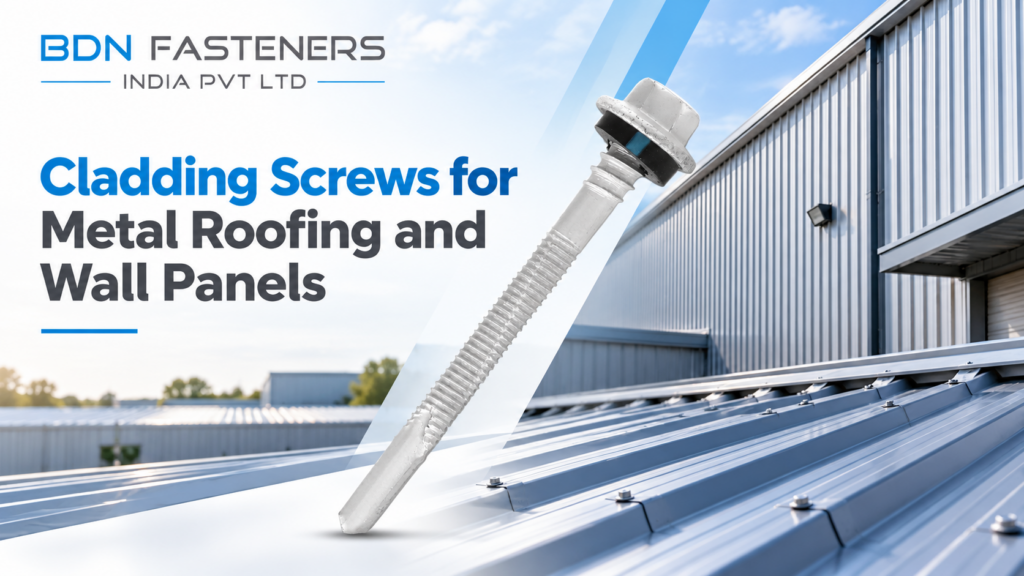

Metal cladding screws is widely used in factories, warehouses, commercial buildings, and industrial sheds. It provides an economical solution for covering large areas without unnecessarily increasing the building’s weight. However, the sheets require proper fasteners for their efficient mounting on the supporting structures. Improper screw size that does not suit the sheet thickness or the support surface may cause difficulties during installation and maintenance.
Selection of appropriate metal cladding screws depends on how the sheets are fixed and the type of load the joint must bear. A wall panel may have different requirements than a roof panel, which is exposed to wind, rain, and direct sunlight. BDN Fasteners India Pvt. Ltd. provides fasteners for construction and industrial uses, such as self-drilling and self-tapping screws.
Choosing the Right Screws for Metal Cladding
However, not every screw suits every cladding system. The metal sheet thickness, what lies underneath, and the required holding force affect the choice. Screw length and drilling capability are also essential, since the screw must penetrate all layers and engage the support properly.
Cladding screws come in different forms to satisfy certain installation conditions. Before ordering, contractors need to make sure of the following details:
- Base material: Identify whether the screw will be driven into steel, timber, or another compatible substrate.
- Material thickness: Check the total thickness the drill point needs to penetrate.
- Screw dimensions: Select the appropriate length, diameter, and thread design.
- Surface protection: Match the coating to the expected exposure conditions.
- Head and washer design: Consider the fixing position and whether the connection requires a weather seal.
These details help narrow options and prevent the common mistake of choosing fasteners based only on price or appearance.
Types of Cladding Screws
Metal Cladding Screws
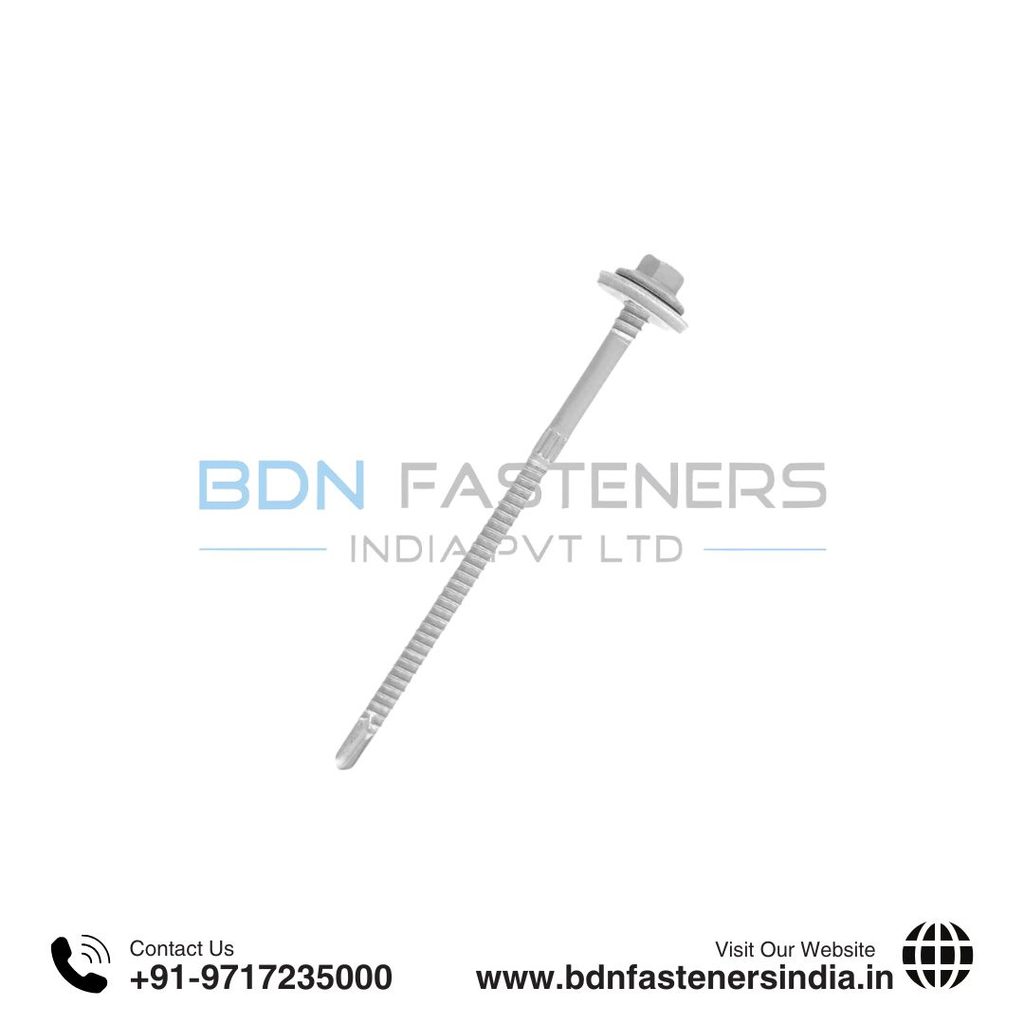
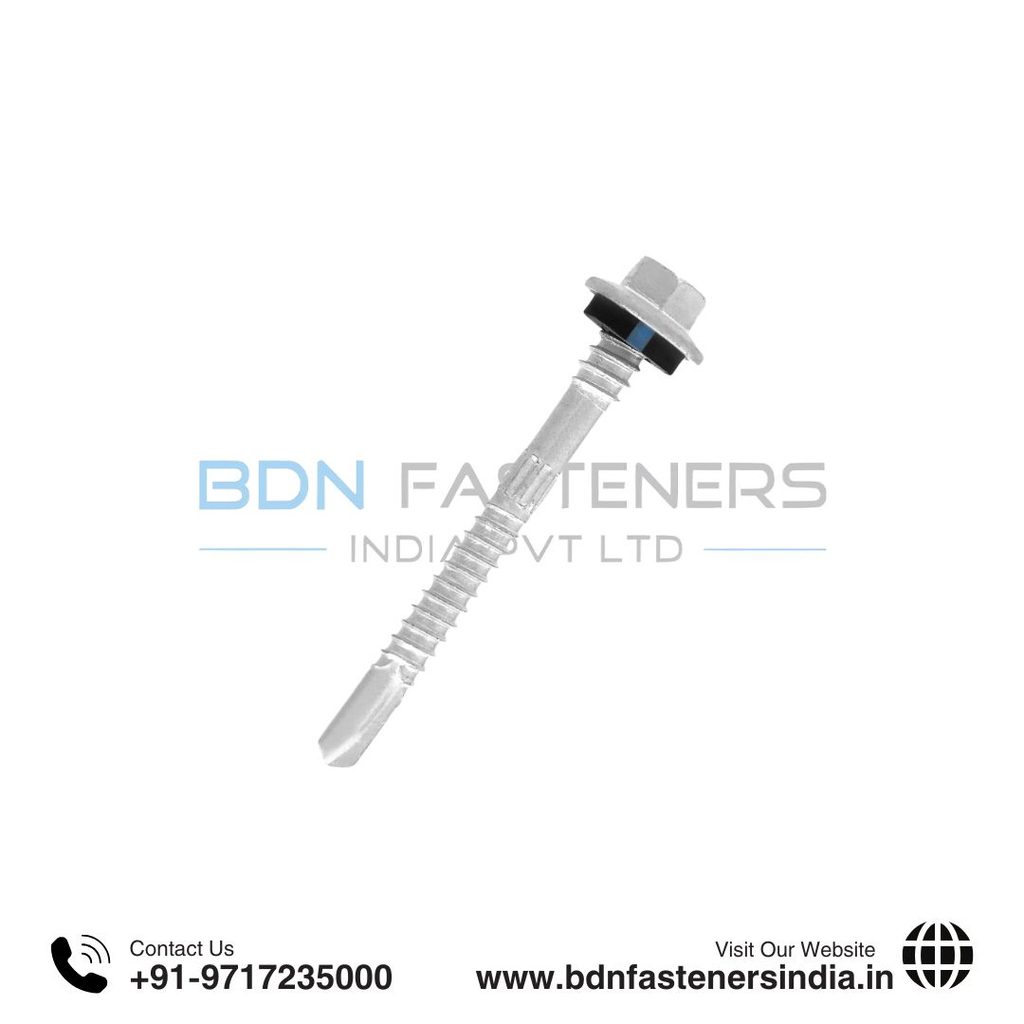
Metal cladding screws are designed to fasten compatible metal sheets to structural steel members. Self-drilling screws are especially advantageous because they drill through the material and create the necessary threads in one step. This saves time when installing many panels in a large construction project.
BDN Fasteners India Pvt. Ltd. produces the Metal-Tite self-drilling screws for metal to metal fastening. The proper choice depends on the thickness of materials to be connected, drilling power needed, and application specifics.
When purchasing Metal cladding screws, buyers should pay attention not only to the specifications but to the coating as well. A screw designed for indoor installation may not suit areas with permanent humidity or corrosion risk.
Cladding Screws for Metal Roof
Roofing screws require special consideration, as each fixing point is part of the surface exposed to the weather. Inadequate hole sealing allows water penetration, while improper tightening can damage the washer or warp the roof sheets.
Select cladding screws for metal roofs based on the roof’s profile and the structural system used. Using EPDM washers as part of a system that requires seal washers provides a weather-proofing solution.
The installation team should pay attention to:
- The manufacturer’s recommended fixing positions.
- The screw length and drilling capacity.
- Correct washer placement and compression.
- The condition of the roofing sheet around each fixing.
- The recommended driver speed and tightening settings.
The aim of cladding screws for metal roofs is to secure the sheet without crushing its profile or damaging the sealing components.
Self-Drilling Screws
The self-drilling screw has a drill-shaped tip that lets it pierce suitable substrates without pre-drilling. It is often used for metal construction when the drilling ability of the screw suits the material thickness.
The Metal-Tite range of BDN Fasteners India Pvt. Ltd. offers a solution to metal-to-metal fastening applications. If the project involves many sheets or thicker steel components, then the drill point specification must be checked before installation.
Self-Tapping Screws
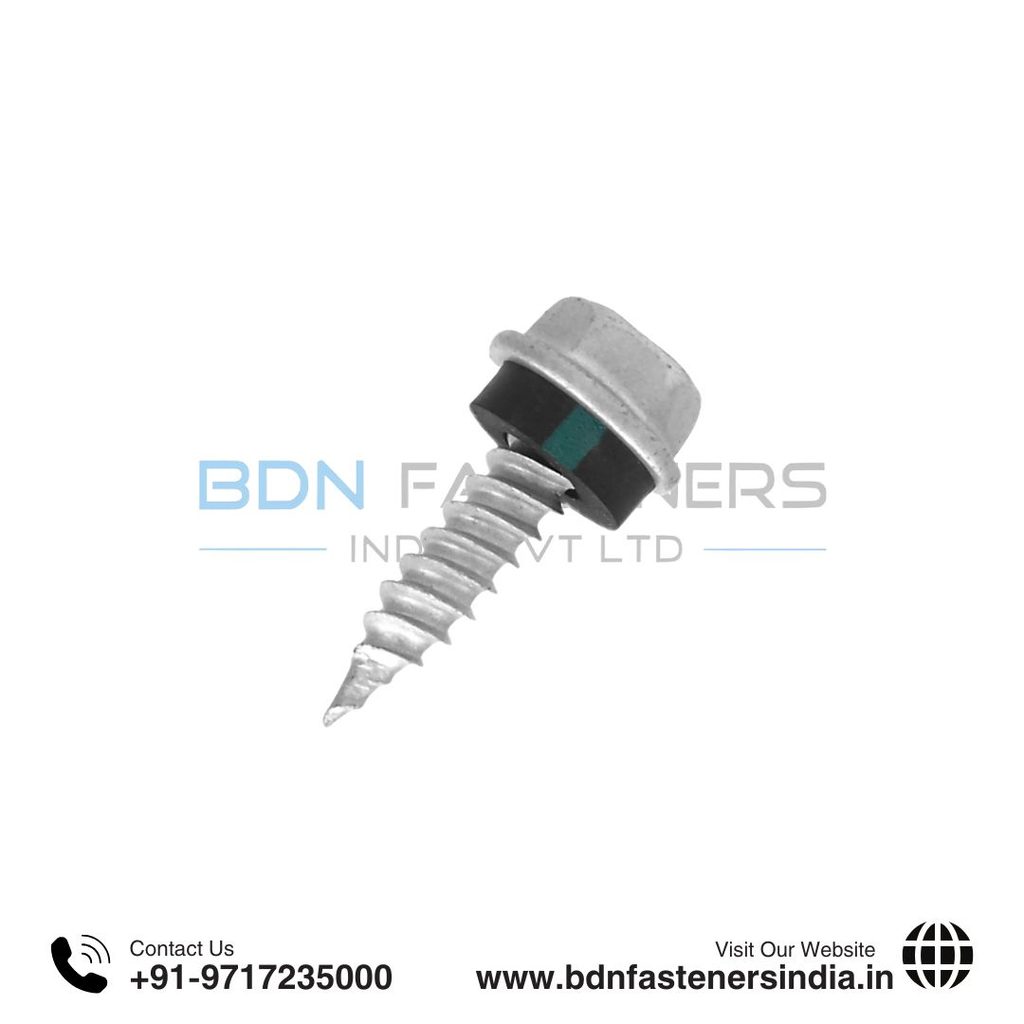
Self-tapping screws form their mating threads as they are driven into a suitable material. They are used where the screw design and substrate are compatible.
BDN Fasteners India Pvt. Ltd. offers Timber-Tite self-tapping screws for suitable wood-to-metal connections. Choosing between self-drilling and self-tapping designs depends on the materials being joined and the installation method required.
Ruspert Coating and Corrosion Protection for Cladding Screws
Corrosion protection is a critical consideration when selecting fasteners for metal roofing and wall cladding. Outdoor screws may be exposed to rain, condensation, humidity, and other environmental factors that can affect their service life. The appropriate protective coating helps resist corrosion and supports fastener performance under specified conditions.
BDN Fasteners India Pvt. Ltd. offers fasteners with Ruspert coating for applications requiring enhanced corrosion resistance. Our fasteners meet performance specifications including 1000+ hours of salt-spray resistance and AS3566 Class 3 and Class 4 classifications, subject to the applicable product specification and test conditions.
These performance specifications are particularly relevant when evaluating fasteners for metal roofing, industrial sheds, warehouses, and external cladding systems. Salt-spray testing helps assess a fastener’s resistance to corrosive conditions under a defined laboratory test method. A coated fastener’s actual service life also depends on the installation environment, exposure conditions, coating integrity, and maintenance requirements.
Why Coating and Washer Selection Matter
The screw’s finish is more than a cosmetic detail. Fasteners used outdoors may encounter rain, condensation, humidity, and pollutants that gradually affect unprotected metal. The appropriate coating helps resist corrosion, although its effectiveness depends on the exposure conditions and the complete fastening system.
BDN Fasteners India Pvt. Ltd. offers protective coating options, including Ruspert and grey finishes. The appropriate specification should be confirmed against the project’s requirements rather than assuming one finish will suit every location.
For roofing and exposed cladding, washer selection deserves equal attention. EPDM washers are designed to create a seal around the fixing point. They need to sit correctly against the panel and be compressed according to the manufacturer’s instructions.
Overtightening may damage the washer or distort the sheet. Undertightening can leave the fixing point inadequately sealed. Both situations can create avoidable maintenance issues.
Where Cladding Fasteners Are Used
Metal cladding systems are found across a wide range of buildings, but each application has its own fastening requirements.
- Industrial sheds: Fixing cladding screws for metal roofs and wall panels to structural supports.
- Warehouses: Securing cladding across large roof spans and exterior walls.
- Commercial buildings: Attaching compatible metal panels to the specified framework.
- Factory buildings: Supporting metal envelope installations in industrial settings.
- Steel construction: Joining sheet materials to suitable steel members using appropriately rated fasteners.
For these applications, Cladding Screws should be selected according to the approved design, panel manufacturer’s instructions, and relevant structural requirements. The correct fastener helps the installation team achieve a consistent fixing pattern without relying on guesswork.
What to Check Before Ordering
Buying fasteners for a construction project requires more than specifying a product category. Clear technical information helps suppliers identify the appropriate product and reduces confusion during procurement.
Before requesting a quotation from BDN Fasteners India Pvt. Ltd., prepare the following information:
- Type of cladding sheet and supporting material.
- Thickness of the materials being joined.
- Required screw diameter and length, where specified.
- Drilling capacity needed for the application.
- Required coating and environmental exposure conditions.
- Washer requirements for exposed or weather-sealed connections.
- Expected quantity and project delivery schedule.
If the specification is not finalized, share the application details first. The product should then be checked against the technical requirements before an order is confirmed.
Why Consider BDN Fasteners India Pvt. Ltd.?
BDN Fasteners India Pvt. Ltd. supplies fastening products for roofing, construction and industrial applications. Its range includes self-drilling screws, self-tapping screws and other fastening solutions designed for different material combinations.
For buyers sourcing Cladding Screws, the availability of different screw designs and protective finishes makes it important to discuss the intended application before finalizing the specification. The company also emphasizes quality management and product consistency in its manufacturing approach.
A useful supplier discussion should cover dimensions, material compatibility, drilling performance, corrosion protection, and washer requirements. These are the details that help buyers compare products on their actual suitability instead of relying on broad claims about strength or durability.
Conclusion
A metal cladding installation is only as dependable as the materials and fixings used to put it together. Selecting the right screw involves checking the substrate, sheet thickness, drill point, coating and sealing requirements before work begins.
BDN Fasteners India Pvt. Ltd. offers fastening options for metal-to-metal and other compatible construction applications. Contractors, fabricators and purchasing teams can use their project specifications to identify a suitable product for roofing or wall cladding and help ensure that installation requirements are addressed from the start.
For product enquiries, contact BDN Fasteners India Pvt. Ltd. through its official sales channels to discuss dimensions, coatings, quantities, and application requirements.
